
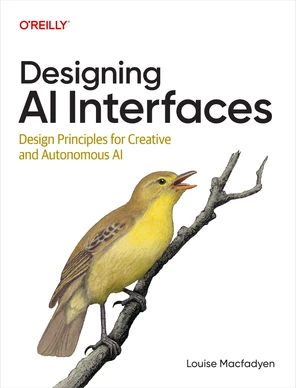
کتاب طراحی رابطهای کاربری هوش مصنوعی
کتاب طراحی رابطهای کاربری هوش مصنوعی (Designing AI Interfaces) یک راهنمای کاربردی و متمرکز بر طراحی برای تیمهای محصول است که با مدلهای زبانی بزرگ (LLMs) و سیستمهای خودمختار کار میکنند. از آنجایی که هوش مصنوعی به بخش مرکزی طراحی محصول مدرن تبدیل شده است، متخصصان تجربه کاربری (UX) باید ابزارهای خود را با نیازهای جدید تطبیق دهند. لوئیز مکفادین در این کتاب، راهنمایی بهموقع و عملی برای ساخت تجربههای کاربری شهودی، اخلاقی و مؤثر با استفاده از مدلهای زبانی بزرگ و سیستمهای هوش مصنوعی خودمختار ارائه میدهد. این کتاب از تعدیل محتوا تا قابلیت وقفه، الگوهای طراحی عملی برای پیشرفتهترین تعاملات هوش مصنوعی امروزی را ارائه میکند و بینشهای فنی روشنی را برای کمک به طراحان در درک نحوه پردازش ورودیها، تولید خروجیها و تصمیمگیری سیستمهای هوش مصنوعی به جای کاربران فراهم میسازد.
اشتراکی
فصل های کتاب
با مرور فصلها، ساختار ، محتوای کتاب را به سرعت بشناسید.
با مرور فصلهای این کتاب میتونی خیلی سریع بفهمی هر بخش چی یاد میده، ساختار کلی چطوره و از کجا باید شروع کنی. هر فصل روی یک مفهوم یا مهارت خاص تمرکز داره و موضوعات اصلیش رو میبینی تا انتخابت آگاهانهتر باشه. چه بخوای کل کتاب رو دنبال کنی، چه فقط یک بخش خاص رو دنبال کنی، این نما کمکت میکنه مسیرت رو پیدا کنی.
درک مدلهای زبانی بزرگ و سیستمها
Early Predictive Language Models for Consumers • A Short History of AI • The Beginning: Symbols • User Experience in the AI Era • Know Your User • Technical and Evaluatory Skills • Ethical Considerations in AI Design • Communication: Knowledge Sharing and Role Clarity • Reading This Book: The Input-Computation-Output Structure • Inputs • Computation • Outputs • Summary
درحال تولید...
قابلیت، کشف و ارکستراسیون
Capabilities: What Can the Model Do? • Training • Evals • Discovery • Intent with AI • Discoverability and Initialization • Adoption and Momentum Behavior • Orchestration • Models, Agents, and Tool Selection • Usage and Metering • Permissions and Capabilities • Library Management and Assets • Summary
درحال تولید...
طراحی برای ورودیهای هوش مصنوعی
From Multics to Google Search: The Shifting Burden • Three Channels of Intent • Implicit Context • Explicit Prompting • The CARE Framework • Prompt Intent • Risks in Explicit Prompting • Direct Manipulation • Input Modalities • Text • Image • Voice • Guiding Users Toward Better Inputs • Starter Prompts as Product Positioning • Summary
درحال تولید...
محاسبات: طراحی برای مرحله پردازش و تولید
The Computation Pipeline: From Input to Output • Step 1: Input Processing and Preparation • Step 2: Routing • Step 3: Generation and Inference • Don’t Make Me Wait: Managing Latency and Delays • Visual Methods for Mitigating Latency • Position: Where the Action Is At • Speed: Difficult to Predict • Notify Me: Notifications and Status Indicators • The Value of Segmenting by User Need • When the System Doesn’t Deliver: Designing for Errors • Errors in AI • Error Messages • Midstream Errors and Retrieval • Maintaining Momentum • Summary
درحال تولید...
خروجی: طراحی تحویل و ارائه پاسخهای مدل زبانی بزرگ
Designing Outputs: The Output Is Not the Answer • Design Principles of Outputs • Designing for Clarity • Designing for Verifiability • Designing Grounding • Designing for Actionability • Designing for Adjustability • Designing for Multiturn Outputs • Watermarking and Detection • Understanding AI Misuse • Risks of Generative AI Content • How Watermarking Works • Image and Video Watermarking • Detection Systems and the Future of Watermarking • Managing Problematic Outputs • Summary
درحال تولید...
هوش مصنوعی عاملی: طراحی برای سیستمهایی که برنامهریزی، اقدام و سازگاری میکنند
Understanding Agentic Design Patterns • The Reflection Pattern: Building in Self-Critique • How Reflection Works in Practice • Design Challenges with Reflection • Reflection Across Different Domains • The Tool Use Pattern: From Adviser to Operator • The Shift from Static to Dynamic Assistance • Design Implications of Tool Use • The Planning Pattern: Breaking Down Complexity • Designing for Visible Planning • Conditional Planning and Branching • The Multiagent Collaboration Pattern: Specialized Coordination • Multiagent Interface Challenges • Conflict Resolution in Multiagent Systems • The ReAct Pattern: Adaptive Problem Solving • Implementation and Use Cases • Designing for Iterative Agents • Moving from Engineering to Experience • Where Users Experience Agentic Patterns • Processing • Clarification • Progress Communication • Alternative Progress Patterns: Browser and Computer Use Visualization • Checkpoints • New Principles for Agentic Interface Design • Reveal the Plan • Prioritize What Matters Most • Design for Shared Control • Summary
درحال تولید...
6 فصل در حال تولید
مدت زمان خوانش
6:28
نوع کتاب
اشتراکی
شرکت کنندگان
0 نفر
تولید کتاب
۳۱ شهریور ۱۴۰۵