

Books by Neal Ford
(4 books)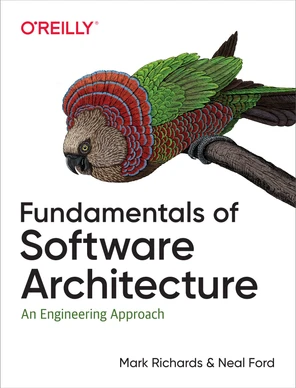
Fundamentals of Software Architecture
Salary surveys worldwide regularly place software architect in the top 10 best jobs, yet no real guide exists to help developers become architects. Until now. This book provides the first comprehensive overview of software architecture's many aspects. Aspiring and existing architects alike will examine architectural characteristics, architectural patterns, component determination, diagramming and presenting architecture, evolutionary architecture, and many other topics. Mark Richards and Neal Ford, hands-on practitioners who have taught software architecture classes professionally for years, focus on architecture principles that apply across all technology stacks. You'll explore software architecture in a modern light, taking into account all the innovations of the past decade. This book examines: - Architecture patterns: The technical basis for many architectural decisions - Components: Identification, coupling, cohesion, partitioning, and granularity - Soft skills: Effective team management, meetings, negotiation, presentations, and more - Modernity: Engineering practices and operational approaches that have changed radically in the past few years - Architecture as an engineering discipline: Repeatable results, metrics, and concrete valuations that add rigor to software architecture
Subscription
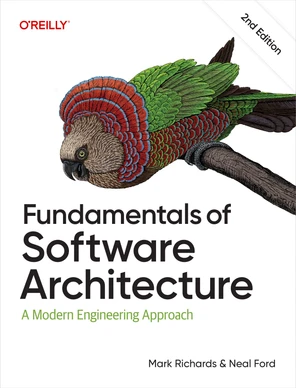
Fundamentals of Software Architecture, 2nd Edition
Salary surveys worldwide regularly place software architect in the top 10 best jobs, yet no real guide exists to help developers become architects. Until now. This updated edition provides a comprehensive overview of software architecture's many aspects, with five new chapters covering the latest insights from the field. Aspiring and existing architects alike will examine architectural characteristics, architectural patterns, component determination, diagramming architecture, governance, data, generative AI, team topologies, and many other topics. Mark Richards and Neal Ford—hands-on practitioners who have taught software architecture classes professionally for years—focus on architecture principles that apply across all technology stacks. You'll explore software architecture in a modern light, taking into account all the innovations of the past decade.
Subscription
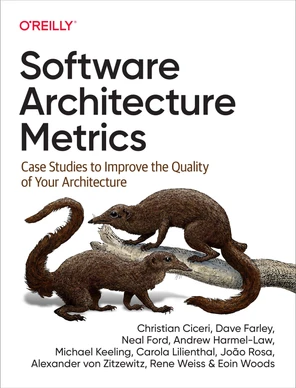
Software Architecture Metrics
Software architecture metrics are key to the maintainability and architectural quality of a software project and they can warn you about dangerous accumulations of architectural and technical debt early in the process. In this practical book, leading hands-on software architects share case studies to introduce metrics that every software architect should know. This isn't a book about theory. It's more about practice and implementation, about what has already been tried and worked. Detecting software architectural issues early is crucial for the success of your software: it helps mitigate the risk of poor performance and lowers the cost of repairing those issues. Written by practitioners for software architects and software developers eager to explore successful case studies, this guide will help you learn more about decision and measurement effectiveness. Through contributions from 10 prominent practitioners, this book shares key software architecture metrics to help you set the right KPIs and measure the results. You'll learn how to: - Measure how well your software architecture is meeting your goals - Choose the right metrics to track (and skip the ones you don't need) - Improve observability, testability, and deployability - Prioritize software architecture projects - Build insightful and relevant dashboards
Subscription
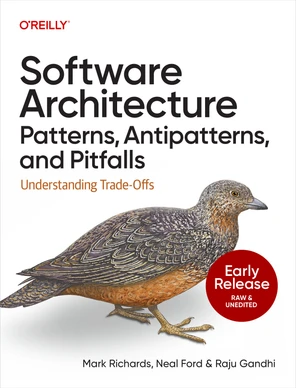
Software Architecture Patterns, Antipatterns, and Pitfalls
As software systems grow in complexity and scale, choosing the right architectural pattern is critical to meeting performance, agility, and operational demands. In this book, Mark Richards, Neal Ford, and Raju Gandhi detail modern software architecture patterns and the antipatterns and pitfalls to avoid. Unique star-chart ratings for each pattern let you see at a glance how well it supports scalability, resilience, and maintainability. You'll learn how your choices affect an architecture's capabilities in different contexts, such as microservices or event-driven architectures, and how to evaluate trade-offs to select the right pattern for your system's needs. Architects, software developers, and technical leaders will find new insights and tools for AI use, governance, aligning architecture with domain and business needs. Understand the core principles, strengths, and limitations of key architecture patterns and the antipatterns to avoid Select and apply appropriate architecture patterns based on business and technical requirements Analyze and compare architectural trade-offs to make informed decisions about how patterns affect capabilities Use metrics and fitness functions to modernize governance Design cohesive, resilient, and evolvable systems using proven patterns and modern industry practices
Subscription