

Book Software Architecture Patterns, Antipatterns, and Pitfalls
As software systems grow in complexity and scale, choosing the right architectural pattern is critical to meeting performance, agility, and operational demands. In this book, Mark Richards, Neal Ford, and Raju Gandhi detail modern software architecture patterns and the antipatterns and pitfalls to avoid. Unique star-chart ratings for each pattern let you see at a glance how well it supports scalability, resilience, and maintainability. You'll learn how your choices affect an architecture's capabilities in different contexts, such as microservices or event-driven architectures, and how to evaluate trade-offs to select the right pattern for your system's needs. Architects, software developers, and technical leaders will find new insights and tools for AI use, governance, aligning architecture with domain and business needs. * Understand the core principles, strengths, and limitations of key architecture patterns and the antipatterns to avoid * Select and apply appropriate architecture patterns based on business and technical requirements * Analyze and compare architectural trade-offs to make informed decisions about how patterns affect capabilities * Use metrics and fitness functions to modernize governance * Design cohesive, resilient, and evolvable systems using proven patterns and modern industry practices
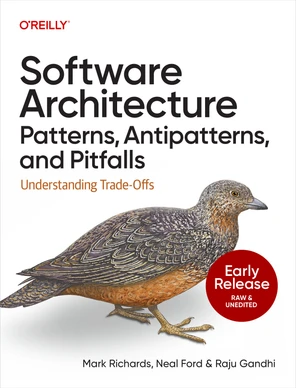
Book overview
A look at the structure and key facts of the book

Publication date
October 27, 2026

Edition
1 edition

Total chapters
37 chapters

Total pages
552 pages

Level
Intermediate to advanced

As software systems grow in complexity and scale, choosing the right architectural pattern is critical to meeting performance, agility, and operational demands. In this book, Mark Richards, Neal Ford, and Raju Gandhi detail modern software architecture patterns and the antipatterns and pitfalls to avoid. Unique star-chart ratings for each pattern let you see at a glance how well it supports scalability, resilience, and maintainability. You'll learn how your choices affect an architecture's capabilities in different contexts, such as microservices or event-driven architectures, and how to evaluate trade-offs to select the right pattern for your system's needs.
Architects, software developers, and technical leaders will find new insights and tools for AI use, governance, aligning architecture with domain and business needs.
- Understand the core principles, strengths, and limitations of key architecture patterns and the antipatterns to avoid
- Select and apply appropriate architecture patterns based on business and technical requirements
- Analyze and compare architectural trade-offs to make informed decisions about how patterns affect capabilities
- Use metrics and fitness functions to modernize governance
- Design cohesive, resilient, and evolvable systems using proven patterns and modern industry practices
Browse this section to get a quick overall picture of the book's content.
Software Architecture Patterns and Antipatterns
The book thoroughly examines various modern software architecture patterns, detailing their core principles, strengths, and limitations. It also highlights common antipatterns and pitfalls that can undermine system performance, agility, and maintainability. Readers will gain a comprehensive understanding of how to identify and apply appropriate patterns while avoiding detrimental architectural choices, ensuring more robust and scalable system designs.
Architectural Trade-offs and Contextual Application
This resource delves into the critical process of evaluating architectural trade-offs, enabling practitioners to make informed decisions. It explores how different patterns impact an architecture's capabilities within specific contexts, such as microservices or event-driven architectures. The book provides tools and insights for selecting the most suitable pattern based on unique business and technical requirements, ensuring optimal alignment with project goals.
Modern Architectural Governance and Evolution
The text addresses the evolving landscape of software architecture, including the integration of AI and modern governance practices. It emphasizes using metrics and fitness functions to ensure architectural alignment with domain and business needs. This holistic approach ensures that readers are well-prepared for future architectural challenges, designing systems that are not only cohesive and resilient but also capable of evolving effectively over time.
The authors behind this book are among the most prominent experts and pioneers of their field. Their work is the result of years of hands-on experience, deep research and collaboration with the world's largest technology organizations and companies.Each of these authors, through specialist books and articles, has played an important role in shaping and advancing technical knowledge worldwide.



Comments
Readers' experience with this book - comments from buyers and other users
37 chapters in production
Reading time
13:11
Book type
Subscription
Participants
Be the first
Last updated
Sep 30, 2026