

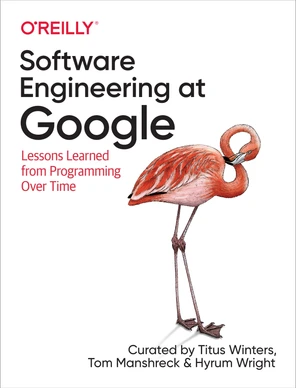
Book Software Engineering at Google
Today, software engineers need to know not only how to program effectively but also how to develop proper engineering practices to make their codebase sustainable and healthy. This book emphasizes this difference between programming and software engineering. How can software engineers manage a living codebase that evolves and responds to changing requirements and demands over the length of its life? Based on their experience at Google, software engineers Titus Winters and Hyrum Wright, along with technical writer Tom Manshreck, present a candid and insightful look at how some of the world's leading practitioners construct and maintain software. This book covers Google's unique engineering culture, processes, and tools and how these aspects contribute to the effectiveness of an engineering organization. You'll explore three fundamental principles that software organizations should keep in mind when designing, architecting, writing, and maintaining code: How time affects the sustainability of software and how to make your code resilient over time How scale affects the viability of software practices within an engineering organization What trade-offs a typical engineer needs to make when evaluating design and development decisions
Book chapters
Browse the chapters to quickly get to know the structure and content of the book.
By browsing the chapters of this book you can quickly see what each part teaches, how the whole is structured and where to start. Each chapter focuses on one concept or skill, and you see its main topics so your choice is more informed. Whether you follow the whole book or just one part, this view helps you find your way.
I. Thesis
This section explores the fundamental differences between programming and software engineering and emphasizes the importance of code sustainability over time.
1. What Is Software Engineering?
II. Culture
This section examines the human and social aspects of teamwork in engineering organizations.
2. How to Work Well on Teams
3. Knowledge Sharing
4. Engineering for Equity
5. How to Lead a Team
6. Leading at Scale
7. Measuring Engineering Productivity
III. Processes
This section examines standard and technical processes within Google's engineering environments.
8. Style Guides and Rules
9. Code Review
10. Documentation
11. Testing Overview
12. Unit Testing
13. Test Doubles
14. Larger Testing
15. Deprecation
IV. Tools
This section introduces the engineering tools and technical infrastructure used at Google.
16. Version Control and Branch Management
17. Code Search
18. Build Systems and Build Philosophy
19. Critique: Google’s Code Review Tool
20. Static Analysis
21. Dependency Management
22. Large-Scale Changes
23. Continuous Integration
24. Continuous Delivery
25. Compute as a Service
25 chapters in production
Reading time
18:36
Book type
Subscription
Participants
Be the first
Last updated
Sep 30, 2026