
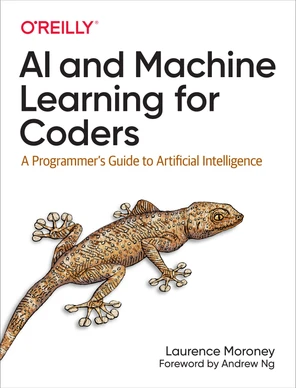
کتاب هوش مصنوعی و یادگیری ماشین برای برنامهنویسان
اگر به دنبال تغییر مسیر شغلی از برنامهنویسی به متخصص هوش مصنوعی (AI) هستید، این کتاب نقطه شروع ایدهآلی است. این کتاب با تکیه بر دورههای بسیار موفق لارنس مورونی، رویکردی عملی و کد-محور (code-first) ارائه میدهد تا به شما کمک کند در حین یادگیری مباحث کلیدی، اعتمادبهنفس خود را افزایش دهید. شما خواهید آموخت که چگونه رایجترین سناریوها در یادگیری ماشین (Machine Learning)، مانند بینایی ماشین (Computer Vision)، پردازش زبان طبیعی (NLP) و مدلسازی توالی (Sequence Modeling) را برای وب، موبایل، فضای ابری و محیطهای تعبیهشده پیادهسازی کنید. اکثر کتابهای یادگیری ماشین با حجم دلهرهآوری از ریاضیات پیشرفته شروع میشوند، اما این راهنما بر اساس درسهای کاربردی بنا شده است که به شما اجازه میدهد مستقیماً با کد کار کنید.
اشتراکی
فصل های کتاب
با مرور فصلها، ساختار ، محتوای کتاب را به سرعت بشناسید.
با مرور فصلهای این کتاب میتونی خیلی سریع بفهمی هر بخش چی یاد میده، ساختار کلی چطوره و از کجا باید شروع کنی. هر فصل روی یک مفهوم یا مهارت خاص تمرکز داره و موضوعات اصلیش رو میبینی تا انتخابت آگاهانهتر باشه. چه بخوای کل کتاب رو دنبال کنی، چه فقط یک بخش خاص رو دنبال کنی، این نما کمکت میکنه مسیرت رو پیدا کنی.
ساخت مدلها
این بخش به اصول اولیه ساخت مدلهای یادگیری ماشین با استفاده از TensorFlow میپردازد. خوانندگان با مفاهیم بینایی ماشین، پردازش زبان طبیعی و مدلسازی توالی آشنا میشوند.
مقدمهای بر TensorFlow
What Is Machine Learning? • Limitations of Traditional Programming • From Programming to Learning • What Is TensorFlow? • Using TensorFlow • Installing TensorFlow in Python • Using TensorFlow in PyCharm • Using TensorFlow in Google Colab • Getting Started with Machine Learning • Seeing What the Network Learned • Summary
درحال تولید...
مقدمهای بر بینایی ماشین
Recognizing Clothing Items • The Data: Fashion MNIST • Neurons for Vision • Designing the Neural Network • The Complete Code • Training the Neural Network • Exploring the Model Output • Training for Longer—Discovering Overfitting • Stopping Training • Summary
درحال تولید...
فراتر از اصول: تشخیص ویژگیها در تصاویر
Convolutions • Pooling • Implementing Convolutional Neural Networks • Exploring the Convolutional Network • Building a CNN to Distinguish Between Horses and Humans • The Horses or Humans Dataset • The Keras ImageDataGenerator • CNN Architecture for Horses or Humans • Adding Validation to the Horses or Humans Dataset • Testing Horse or Human Images • Image Augmentation • Transfer Learning • Multiclass Classification • Dropout Regularization • Summary
درحال تولید...
استفاده از مجموعهدادههای عمومی با TensorFlow Datasets
Getting Started with TFDS • Using TFDS with Keras Models • Loading Specific Versions • Using Mapping Functions for Augmentation • Using TensorFlow Addons • Using Custom Splits • Understanding TFRecord • The ETL Process for Managing Data in TensorFlow • Optimizing the Load Phase • Parallelizing ETL to Improve Training Performance • Summary
درحال تولید...
مقدمهای بر پردازش زبان طبیعی
Encoding Language into Numbers • Getting Started with Tokenization • Turning Sentences into Sequences • Removing Stopwords and Cleaning Text • Working with Real Data Sources • Getting Text from TensorFlow Datasets • Getting Text from CSV Files • Getting Text from JSON Files • Summary
درحال تولید...
برنامهپذیر کردن تحلیل احساسات با استفاده از Embeddings
Establishing Meaning from Words • A Simple Example: Positives and Negatives • Going a Little Deeper: Vectors • Embeddings in TensorFlow • Building a Sarcasm Detector Using Embeddings • Reducing Overfitting in Language Models • Using the Model to Classify a Sentence • Visualizing the Embeddings • Using Pretrained Embeddings from TensorFlow Hub • Summary
درحال تولید...
شبکههای عصبی بازگشتی برای پردازش زبان طبیعی
The Basis of Recurrence • Extending Recurrence for Language • Creating a Text Classifier with RNNs • Stacking LSTMs • Using Pretrained Embeddings with RNNs • Summary
درحال تولید...
استفاده از TensorFlow برای تولید متن
Turning Sequences into Input Sequences • Creating the Model • Generating Text • Predicting the Next Word • Compounding Predictions to Generate Text • Extending the Dataset • Changing the Model Architecture • Improving the Data • Character-Based Encoding • Summary
درحال تولید...
درک دادههای توالی و سری زمانی
Common Attributes of Time Series • Trend • Seasonality • Autocorrelation • Noise • Techniques for Predicting Time Series • Naive Prediction to Create a Baseline • Measuring Prediction Accuracy • Less Naive: Using Moving Average for Prediction • Improving the Moving Average Analysis • Summary
درحال تولید...
ایجاد مدلهای یادگیری ماشین برای پیشبینی توالیها
Creating a Windowed Dataset • Creating a Windowed Version of the Time Series Dataset • Creating and Training a DNN to Fit the Sequence Data • Evaluating the Results of the DNN • Exploring the Overall Prediction • Tuning the Learning Rate • Exploring Hyperparameter Tuning with Keras Tuner • Summary
درحال تولید...
استفاده از روشهای کانولوشنی و بازگشتی برای مدلهای توالی
Convolutions for Sequence Data • Coding Convolutions • Experimenting with the Conv1D Hyperparameters • Using NASA Weather Data • Reading GISS Data in Python • Using RNNs for Sequence Modeling • Exploring a Larger Dataset • Using Other Recurrent Methods • Using Dropout • Using Bidirectional RNNs • Summary
درحال تولید...
استفاده از مدلها
این بخش بر استقرار مدلهای آموزشدیده در پلتفرمهای مختلف مانند اندروید، iOS و وب تمرکز دارد. همچنین مباحث اخلاق و حریم خصوصی در هوش مصنوعی بررسی میشود.
مقدمهای بر TensorFlow Lite
What Is TensorFlow Lite? • Walkthrough: Creating and Converting a Model to TensorFlow Lite • Step 1. Save the Model • Step 2. Convert and Save the Model • Step 3. Load the TFLite Model and Allocate Tensors • Step 4. Perform the Prediction • Walkthrough: Transfer Learning an Image Classifier and Converting to TensorFlow Lite • Step 1. Build and Save the Model • Step 2. Convert the Model to TensorFlow Lite • Step 3. Optimize the Model • Summary
درحال تولید...
استفاده از TensorFlow Lite در اپلیکیشنهای اندروید
What Is Android Studio? • Creating Your First TensorFlow Lite Android App • Step 1. Create a New Android Project • Step 2. Edit Your Layout File • Step 3. Add the TensorFlow Lite Dependencies • Step 4. Add Your TensorFlow Lite Model • Step 5. Write the Activity Code to Use TensorFlow Lite for Inference • Moving Beyond “Hello World”—Processing Images • TensorFlow Lite Sample Apps • Summary
درحال تولید...
استفاده از TensorFlow Lite در اپلیکیشنهای iOS
Creating Your First TensorFlow Lite App with Xcode • Step 1. Create a Basic iOS App • Step 2. Add TensorFlow Lite to Your Project • Step 3. Create the User Interface • Step 4. Add and Initialize the Model Inference Class • Step 5. Perform the Inference • Step 6. Add the Model to Your App • Step 7. Add the UI Logic • Moving Beyond “Hello World”—Processing Images • TensorFlow Lite Sample Apps • Summary
درحال تولید...
مقدمهای بر TensorFlow.js
What Is TensorFlow.js? • Installing and Using the Brackets IDE • Building Your First TensorFlow.js Model • Creating an Iris Classifier • Summary
درحال تولید...
تکنیکهای کدنویسی برای بینایی ماشین در TensorFlow.js
JavaScript Considerations for TensorFlow Developers • Building a CNN in JavaScript • Using Callbacks for Visualization • Training with the MNIST Dataset • Running Inference on Images in TensorFlow.js • Summary
درحال تولید...
استفاده مجدد و تبدیل مدلهای پایتون به جاوااسکریپت
Converting Python-Based Models to JavaScript • Using the Converted Models • Using Preconverted JavaScript Models • Using the Toxicity Text Classifier • Using MobileNet for Image Classification in the Browser • Using PoseNet • Summary
درحال تولید...
یادگیری انتقالی در جاوااسکریپت
Transfer Learning from MobileNet • Step 1. Download MobileNet and Identify the Layers to Use • Step 2. Create Your Own Model Architecture with the Outputs from MobileNet as Its Input • Step 3. Gather and Format the Data • Step 4. Train the Model • Step 5. Run Inference with the Model • Transfer Learning from TensorFlow Hub • Using Models from TensorFlow.org • Summary
درحال تولید...
استقرار با TensorFlow Serving
What Is TensorFlow Serving? • Installing TensorFlow Serving • Installing Using Docker • Installing Directly on Linux • Building and Serving a Model • Exploring Server Configuration • Summary
درحال تولید...
اخلاق، انصاف و حریم خصوصی در هوش مصنوعی
Fairness in Programming • Fairness in Machine Learning • Tools for Fairness • The What-If Tool • Facets • Federated Learning • Step 1. Identify Available Devices for Training • Step 2. Identify Suitable Available Devices for Training • Step 3. Deploy a Trainable Model to Your Training Set • Step 4. Return the Results of the Training to the Server • Step 5. Deploy the New Master Model to the Clients • Secure Aggregation with Federated Learning • Federated Learning with TensorFlow Federated • Google’s AI Principles • Summary
درحال تولید...
20 فصل در حال تولید
مدت زمان خوانش
9:36
نوع کتاب
اشتراکی
شرکت کنندگان
0 نفر
تولید کتاب
۳۱ شهریور ۱۴۰۵