
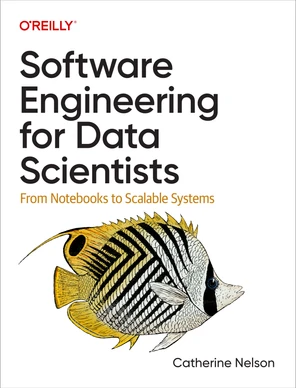
کتاب مهندسی نرمافزار برای دانشمندان داده
علم داده در دل کدها نهفته است. توانایی نوشتن کدهای بازتولیدپذیر (Reproducible)، مستحکم و مقیاسپذیر (Scalable) کلید موفقیت پروژههای علم داده است و برای کسانی که با کدهای عملیاتی (Production code) سر و کار دارند، کاملاً ضروری است. این کتاب کاربردی، شکاف میان علم داده و مهندسی نرمافزار را پر کرده و به وضوح توضیح میدهد که چگونه بهترین شیوههای مهندسی نرمافزار را در علم داده به کار بگیرید. مثالهای ارائه شده در این کتاب با زبان Python و با استفاده از کتابخانههای محبوبی همچون NumPy و pandas تدوین شدهاند. اگر میخواهید کدهای بهتری در حوزه علم داده بنویسید، این راهنما موضوعات ضروری را که اغلب در کلاسهای مقدماتی علم داده یا برنامهنویسی نادیده گرفته میشوند، پوشش میدهد.
اشتراکی
فصل های کتاب
با مرور فصلها، ساختار ، محتوای کتاب را به سرعت بشناسید.
با مرور فصلهای این کتاب میتونی خیلی سریع بفهمی هر بخش چی یاد میده، ساختار کلی چطوره و از کجا باید شروع کنی. هر فصل روی یک مفهوم یا مهارت خاص تمرکز داره و موضوعات اصلیش رو میبینی تا انتخابت آگاهانهتر باشه. چه بخوای کل کتاب رو دنبال کنی، چه فقط یک بخش خاص رو دنبال کنی، این نما کمکت میکنه مسیرت رو پیدا کنی.
کد خوب چیست؟
Why Good Code Matters • Adapting to Changing Requirements • Simplicity • Don’t Repeat Yourself (DRY) • Avoid Verbose Code • Modularity • Readability • Standards and Conventions • Names • Cleaning up • Documentation • Performance • Robustness • Errors and Logging • Testing • Key Takeaways
درحال تولید...
تحلیل عملکرد کد
Methods to Improve Performance • Timing Your Code • Profiling Your Code • cProfile • line_profiler • Memory Profiling with Memray • Time Complexity • How to Estimate Time Complexity • Big O Notation • Key Takeaways
درحال تولید...
استفاده موثر از ساختارهای داده
Native Python Data Structures • Lists • Tuples • Dictionaries • Sets • NumPy Arrays • NumPy Array Functionality • NumPy Array Performance Considerations • Array Operations Using Dask • Arrays in Machine Learning • pandas DataFrames • DataFrame Functionality • DataFrame Performance Considerations • Key Takeaways
درحال تولید...
برنامهنویسی شیگرا و تابعی
Object-Oriented Programming • Classes, Methods, and Attributes • Defining Your Own Classes • OOP Principles • Functional Programming • Lambda Functions and map() • Applying Functions to DataFrames • Which Paradigm Should I Use? • Key Takeaways
درحال تولید...
خطاها، لاگگیری و دیباگ کردن
Errors in Python • Reading Python Error Messages • Handling Errors • Raising Errors • Logging • What to Log • Logging Configuration • How to Log • Debugging • Strategies for Debugging • Tools for Debugging • Key Takeaways
درحال تولید...
فرمتدهی، لینتینگ و بررسی نوع داده
Code Formatting and Style Guides • PEP8 • Import Formatting • Automatic Code Formatting with Black • Linting • Linting Tools • Linting in Your IDE • Type Checking • Type Annotations • Type Checking with mypy • Key Takeaways
درحال تولید...
تست کردن کد
Why You Should Write Tests • When to Test • How to Write and Run Tests • A Basic Test • Testing Unexpected Inputs • Running Automated Tests with Pytest • Types of Tests • Unit Tests • Integration Tests • Data Validation • Data Validation Examples • Using Pandera for Data Validation • Data Validation with Pydantic • Testing for Machine Learning • Testing Model Training • Testing Model Inference • Key Takeaways
درحال تولید...
طراحی و بازنویسی کد
Project Design and Structure • Project Design Considerations • An Example Machine Learning Project • Code Design • Modular Code • A Code Design Framework • Interfaces and Contracts • Coupling • From Notebooks to Scalable Scripts • Why Use Scripts Instead of Notebooks? • Creating Scripts from Notebooks • Refactoring • Strategies for Refactoring • An Example Refactoring Workflow • Key Takeaways
درحال تولید...
مستندسازی
Documentation Within the Codebase • Names • Comments • Docstrings • Readmes, Tutorials, and Other Longer Documents • Documentation in Jupyter Notebooks • Documenting Machine Learning Experiments • Key Takeaways
درحال تولید...
اشتراکگذاری کد: کنترل نسخه، وابستگیها و بستهبندی
Version Control Using Git • How Does Git Work? • Tracking Changes and Committing • Remote and Local • Branches and Pull Requests • Dependencies and Virtual Environments • Virtual Environments • Managing Dependencies with pip • Managing Dependencies with Poetry • Python Packaging • Packaging Basics • pyproject.toml • Building and Uploading Packages • Key Takeaways
درحال تولید...
رابطهای برنامهنویسی کاربردی (API)
Calling an API • HTTP Methods and Status Codes • Getting Data from the SDG API • Creating Your Own API Using FastAPI • Setting Up the API • Adding Functionality to Your API • Making Requests to Your API • Key Takeaways
درحال تولید...
اتوماسیون و استقرار
Deploying Code • Automation Examples • Pre-Commit Hooks • GitHub Actions • Cloud Deployments • Containers and Docker • Building a Docker Container • Deploying an API on Google Cloud • Deploying an API on Other Cloud Providers • Key Takeaways
درحال تولید...
امنیت
What Is Security? • Security Risks • Credentials, Physical Security, and Social Engineering • Third-Party Packages • The Python Pickle Module • Version Control Risks • API Security Risks • Security Practices • Security Reviews and Policies • Secure Coding Tools • Simple Code Scanning • Security for Machine Learning • Attacks on ML Systems • Security Practices for ML Systems • Key Takeaways
درحال تولید...
کار در حوزه نرمافزار
Development Principles and Practices • The Software Development Lifecycle • Waterfall Software Development • Agile Software Development • Agile Data Science • Roles in the Software Industry • Software Engineer • QA or Test Engineer • Data Engineer • Data Analyst • Product Manager • UX Researcher • Designer • Community • Open Source • Speaking at Events • The Python Community • Key Takeaways
درحال تولید...
گامهای بعدی
The Future of Code • Your Future in Code • Thank You
درحال تولید...
15 فصل در حال تولید
مدت زمان خوانش
6:22
نوع کتاب
اشتراکی
شرکت کنندگان
0 نفر
تولید کتاب
۳۱ شهریور ۱۴۰۵