

Book Communication Patterns
Having a great idea or design is not enough to make your software project succeed. If you want stakeholders to buy into your design and teams to collaborate and contribute to the vision, you also need to communicate effectively. In this practical book, author Jacqui Read shows you how to successfully present your architecture and get stakeholders to jump on board. Misunderstanding and lack of buy-in leads to increasing costs, unmet requirements, and an architecture that is not what you intended. Through constructive examples and patterns, this book shows you how to create documentation and diagrams that actually get the message across to the different audiences you'll face. This book shows you how to: Design diagrams and documentation appropriate to your expected audience, intended message, and project stage Create documentation and diagrams that are accessible to those with varying roles, needs, or disabilities Master written, verbal, and nonverbal communication to succeed in technical settings Apply the communication patterns presented in this book in real-world projects and software designs Communicate and collaborate with distributed teams to successfully design and document software and technical projects
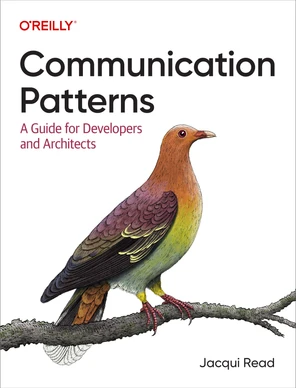
Book overview
A look at the structure and key facts of the book

Publication date
October 9, 2023

Edition
1 edition

Total chapters
15 chapters

Total pages
306 pages

Level
Intermediate to advanced

Having a great idea or design is not enough to make your software project succeed. If you want stakeholders to buy into your design and teams to collaborate and contribute to the vision, you also need to communicate effectively. In this practical book, author Jacqui Read shows you how to successfully present your architecture and get stakeholders to jump on board.
Misunderstanding and lack of buy-in leads to increasing costs, unmet requirements, and an architecture that is not what you intended. Through constructive examples and patterns, this book shows you how to create documentation and diagrams that actually get the message across to the different audiences you'll face.
This book shows you how to:
- Design diagrams and documentation appropriate to your expected audience, intended message, and project stage
- Create documentation and diagrams that are accessible to those with varying roles, needs, or disabilities
- Master written, verbal, and nonverbal communication to succeed in technical settings
- Apply the communication patterns presented in this book in real-world projects and software designs
- Communicate and collaborate with distributed teams to successfully design and document software and technical projects
Browse this section to get a quick overall picture of the book's content.
Visual Communication in Software Architecture
This book delves into the critical role of visual elements in conveying software architecture and design. It provides practical guidance on creating diagrams and documentation that effectively communicate complex information to diverse audiences. Readers will learn to balance the need for detailed information with accessibility, ensuring their visuals are clear, consistent, and impactful. The content covers aspects like audience awareness, clarity, accessibility, narrative flow, notation choices, and visual composition.
Multimodal Communication Skills for Technical Professionals
The book explores various modes of communication essential for technical success, including written, verbal (spoken), and nonverbal communication. It offers patterns and antipatterns to enhance clarity and impact in emails, documentation, presentations, and face-to-face interactions. Furthermore, it introduces the principles of rhetoric—ethos, pathos, and logos—demonstrating their timeless applicability in modern technical communication to strengthen messages and influence stakeholders.
Effective Knowledge Management in Technical Teams
This section focuses on the comprehensive management of knowledge within organizations and technical teams, extending beyond mere documentation. It outlines overarching principles for developing and maintaining collective knowledge, ensuring it remains up-to-date, available, and accessible. Readers will discover how to leverage people and effective practices, such as Architecture Decision Records (ADRs) and documentation as code, to optimize knowledge investment and foster innovation.
Strategies for Communicating in Distributed and Remote Environments
Given the prevalence of remote and hybrid teams, this part addresses the unique challenges and opportunities of distributed communication. It provides patterns and techniques for managing factors like time zones, cultural differences, and working patterns to ensure effective collaboration. The book distinguishes between synchronous and asynchronous communication, offering strategies for optimizing meetings, leveraging asynchronous methods, and selecting appropriate remote tools to enhance productivity and inclusivity.
The authors behind this book are among the most prominent experts and pioneers of their field. Their work is the result of years of hands-on experience, deep research and collaboration with the world's largest technology organizations and companies.Each of these authors, through specialist books and articles, has played an important role in shaping and advancing technical knowledge worldwide.

Comments
Readers' experience with this book - comments from buyers and other users
15 chapters in production
Reading time
07:53
Book type
Subscription
Participants
Be the first
Last updated
Sep 30, 2026