

Book Deciphering Data Architectures
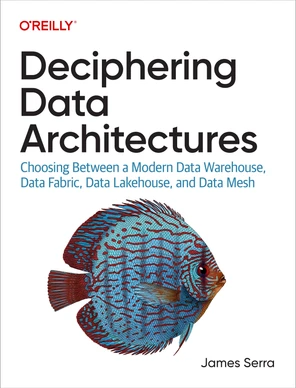
Data fabric, data lakehouse, and data mesh have recently appeared as viable alternatives to the modern data warehouse. These new architectures have solid benefits, but they're also surrounded by a lot of hyperbole and confusion. This practical book provides a guided tour of these architectures to help data professionals understand the pros and cons of each. James Serra, big data and data warehousing solution architect at Microsoft, examines common data architecture concepts, including how data warehouses have had to evolve to work with data lake features. You'll learn what data lakehouses can help you achieve, as well as how to distinguish data mesh hype from reality. Best of all, you'll be able to determine the most appropriate data architecture for your needs. With this book, you'll: Gain a working understanding of several data architectures Learn the strengths and weaknesses of each approach Distinguish data architecture theory from reality Pick the best architecture for your use case Understand the differences between data warehouses and data lakes Learn common data architecture concepts to help you build better solutions Explore the historical evolution and characteristics of data architectures Learn essentials of running an architecture design session, team organization, and project success factors Free from product discussions, this book will serve as a timeless resource for years to come.
Book preface
Before you start, a short look at what you will learn in this book
In the preface, settle the general questions you have at a glance, so your view widens and your choice is more informed. Questions such as: Why was this book written and what problem does it solve? Who can use the book? A summary of the chapters and the learning goals of each part? The important changes and new improvements added across editions, and so on — we cover all of these for you.
Target audience
This book is ideal for data professionals, data architects, and solution architects who need to understand and implement modern data architectures. It provides a guided tour through complex topics like data fabric, data lakehouse, and data mesh. The content helps them decipher the intricacies and choose the best fit for their organizations.
Data engineers and developers looking to deepen their knowledge of data architecture concepts will find this book valuable. It explains the evolution of data architectures, common design approaches, and ingestion methods. This understanding is crucial for building robust and scalable data solutions.
Leaders responsible for strategic data initiatives and project success will benefit from the insights on architecture selection, team organization, and project management. The book helps distinguish hype from reality in new architectural trends. It provides guidance on conducting architecture design sessions and avoiding common project pitfalls.
Individuals who are confused by the proliferation of new data architecture terms and seeking clarity on their pros and cons will find this book highly useful. It offers a vendor-neutral perspective, making it a timeless resource for understanding the landscape of data management. The book empowers readers to make informed decisions for their data strategies.
Why the book was written
Many new data architectures like data fabric, lakehouse, and mesh are emerging, leading to significant confusion among data professionals. This book aims to clarify the benefits and drawbacks of each, providing a grounded understanding beyond the hype. It serves as a practical guide to navigate these complex architectural landscapes.
With various viable alternatives to the modern data warehouse, choosing the right architecture is critical for project success. The book helps readers evaluate different approaches based on their specific use cases. It empowers data professionals to make informed decisions about the most appropriate data architecture for their needs.
Before diving into specific architectures, it's crucial to grasp common data architecture concepts and their evolution. This resource provides a solid foundation by examining how data warehouses have evolved and how they interact with features like data lakes. It ensures readers have a comprehensive understanding of the underlying principles.
Beyond technical architectures, the book emphasizes the importance of people and processes in data project success. It covers essentials like conducting architecture design sessions, team organization, and identifying pitfalls to avoid. This holistic approach helps readers build better solutions and achieve successful outcomes.
Content overview
This book offers a practical and guided exploration of modern data architectures, including data fabric, data lakehouse, and data mesh. It effectively clarifies the complexities and hyperbole surrounding these new approaches. The resource helps readers understand the distinct benefits and drawbacks of each architecture.
The text provides a clear framework for distinguishing between theoretical claims and the practical realities of data architecture implementation. It equips data professionals with the knowledge to select the most appropriate architecture for their specific use cases. The book is praised for its ability to cut through the noise and deliver actionable insights.
It serves as an excellent resource for understanding the historical evolution of data architectures, from traditional data warehouses to modern data lakes and their integrations. The book covers essential concepts and design approaches, ensuring a solid foundational understanding. Readers will appreciate its comprehensive coverage of the field.
Beyond technical details, the book delves into crucial aspects of project success, such as effective architecture design sessions and optimal team organization. It highlights common pitfalls and offers practical tips for successful implementation. This holistic perspective makes it invaluable for anyone involved in data projects.
16 chapters in production
Reading time
07:29
Book type
Subscription
Participants
Be the first
Last updated
Sep 30, 2026