

Book Making Embedded Systems, 2nd Edition
Interested in developing embedded systems? Since they don't tolerate inefficiency, these systems require a disciplined approach to programming. This easy-to-read guide helps you cultivate good development practices based on classic software design patterns and new patterns unique to embedded programming. You'll learn how to build system architecture for processors, not for operating systems, and you'll discover techniques for dealing with hardware difficulties, changing designs, and manufacturing requirements. Written by an expert who has created systems ranging from DNA scanners to children's toys, this book is ideal for intermediate and experienced programmers, no matter what platform you use. This expanded second edition includes new chapters on IoT and networked sensors, motors and movement, debugging, data handling strategies, and more.
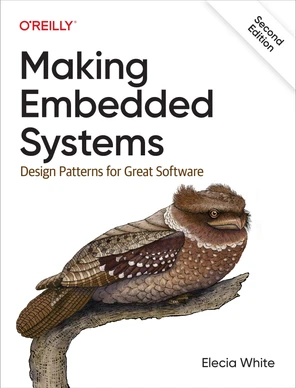
Book overview
A look at the structure and key facts of the book

Publication date
March 6, 2024

Edition
2 edition

Total chapters
14 chapters

Total pages
428 pages

Level
Intermediate to advanced

Interested in developing embedded systems? Since they don't tolerate inefficiency, these systems require a disciplined approach to programming. This easy-to-read guide helps you cultivate good development practices based on classic software design patterns and new patterns unique to embedded programming. You'll learn how to build system architecture for processors, not for operating systems, and you'll discover techniques for dealing with hardware difficulties, changing designs, and manufacturing requirements.
Written by an expert who has created systems ranging from DNA scanners to children's toys, this book is ideal for intermediate and experienced programmers, no matter what platform you use. This expanded second edition includes new chapters on IoT and networked sensors, motors and movement, debugging, data handling strategies, and more.
Browse this section to get a quick overall picture of the book's content.
System Architecture and Design Patterns
This section focuses on creating software architectures that are optimized for resource-constrained environments. By utilizing design patterns, the author teaches readers how to keep their code modular and adaptable to change. This approach includes:
- Using the Adapter Pattern for hardware abstraction.
- Designing interfaces for drivers.
- Managing complexity through block and layering diagrams.
Optimization and Resource Management
The book explores practical techniques for reducing power consumption, RAM usage, and code space. By gaining a deep understanding of processors and hardware, programmers can maximize system performance. Key topics include:
- Analyzing map files for memory management.
- Using Profiling to identify speed bottlenecks.
- Strategies for reducing power consumption in battery-operated systems.
The authors behind this book are among the most prominent experts and pioneers of their field. Their work is the result of years of hands-on experience, deep research and collaboration with the world's largest technology organizations and companies.Each of these authors, through specialist books and articles, has played an important role in shaping and advancing technical knowledge worldwide.

Comments
Readers' experience with this book - comments from buyers and other users
14 chapters in production
Reading time
12:06
Book type
Subscription
Participants
Be the first
Last updated
Sep 30, 2026