

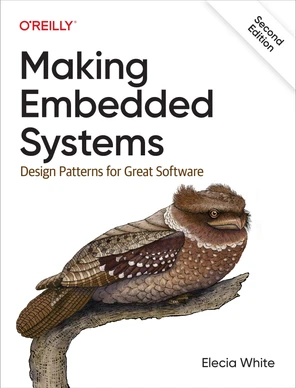
Book Making Embedded Systems, 2nd Edition
Interested in developing embedded systems? Since they don't tolerate inefficiency, these systems require a disciplined approach to programming. This easy-to-read guide helps you cultivate good development practices based on classic software design patterns and new patterns unique to embedded programming. You'll learn how to build system architecture for processors, not for operating systems, and you'll discover techniques for dealing with hardware difficulties, changing designs, and manufacturing requirements. Written by an expert who has created systems ranging from DNA scanners to children's toys, this book is ideal for intermediate and experienced programmers, no matter what platform you use. This expanded second edition includes new chapters on IoT and networked sensors, motors and movement, debugging, data handling strategies, and more.
Book preface
Before you start, a short look at what you will learn in this book
In the preface, settle the general questions you have at a glance, so your view widens and your choice is more informed. Questions such as: Why was this book written and what problem does it solve? Who can use the book? A summary of the chapters and the learning goals of each part? The important changes and new improvements added across editions, and so on — we cover all of these for you.
Target audience
Intermediate and experienced programmers looking to advance their skills in the embedded systems domain. This book is highly useful for those who want to move from simple coding to system architecture design.
Software engineers working with various platforms who need a better understanding of hardware constraints. The content is applicable to everyone, regardless of the processor or operating system used.
IoT developers dealing with networked sensors and connected systems. The second edition of the book specifically addresses these modern topics.
Students and enthusiasts who want to learn the professional principles of embedded systems development. This book serves as a comprehensive reference for learning debugging and optimization techniques.
Why the book was written
This book addresses the critical need for programmers to deeply understand the interaction between software and hardware in embedded systems. Given that these systems do not tolerate inefficiency, the disciplined approach provided is essential.
The content is structured based on classic design patterns and modern patterns specific to embedded systems. This combination helps developers create robust and maintainable software architectures.
The book tackles real-world challenges such as memory constraints, power consumption, and processor timing. These solutions help programmers produce products with lower costs and higher performance.
By providing practical guidance on reading datasheets and schematics, the book bridges the gap between software knowledge and hardware implementation. These skills are vital for any embedded systems engineer.
Content overview
By providing a disciplined approach, this book helps programmers build systems that perform well in resource-constrained environments. The focus on design patterns significantly improves code quality.
The author uses her real-world experience to explain complex hardware concepts in simple, understandable language. This book is essential for anyone wanting a deeper understanding of how embedded systems work.
The second edition has become a complete reference by adding new chapters on IoT and debugging. These updates well cover the needs of modern programmers.
The techniques provided for optimizing power and memory consumption are highly practical and applicable to real-world projects. This book offers not just theory, but the tools needed for success in the industry.
14 chapters in production
Reading time
12:06
Book type
Subscription
Participants
Be the first
Last updated
Sep 30, 2026