

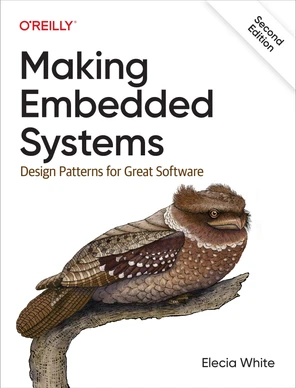
Book Making Embedded Systems, 2nd Edition
Interested in developing embedded systems? Since they don't tolerate inefficiency, these systems require a disciplined approach to programming. This easy-to-read guide helps you cultivate good development practices based on classic software design patterns and new patterns unique to embedded programming. You'll learn how to build system architecture for processors, not for operating systems, and you'll discover techniques for dealing with hardware difficulties, changing designs, and manufacturing requirements. Written by an expert who has created systems ranging from DNA scanners to children's toys, this book is ideal for intermediate and experienced programmers, no matter what platform you use. This expanded second edition includes new chapters on IoT and networked sensors, motors and movement, debugging, data handling strategies, and more.
Book chapters
Browse the chapters to quickly get to know the structure and content of the book.
By browsing the chapters of this book you can quickly see what each part teaches, how the whole is structured and where to start. Each chapter focuses on one concept or skill, and you see its main topics so your choice is more informed. Whether you follow the whole book or just one part, this view helps you find your way.
1. Introduction
2. Creating a System Architecture
3. Getting Your Hands on the Hardware
4. Inputs, Outputs, and Timers
5. Interrupts
6. Managing the Flow of Activity
7. Communicating with Peripherals
8. Putting Together a System
9. Getting into Trouble
10. Building Connected Devices
11. Doing More with Less
12. Math
13. Reducing Power Consumption
14. Motors and Movement
14 chapters in production
Reading time
12:06
Book type
Subscription
Participants
Be the first
Last updated
Sep 30, 2026