

Book Semantic Software Design
With this practical book, architects, CTOs, and CIOs will learn a set of patterns for the practice of architecture, including analysis, documentation, and communication. Author Eben Hewitt shows you how to create holistic and thoughtful technology plans, communicate them clearly, lead people toward the vision, and become a great architect or Chief Architect. This book covers each key aspect of architecture comprehensively, including how to incorporate business architecture, information architecture, data architecture, application (software) architecture together to have the best chance for the system’s success. * Get a practical set of proven architecture practices focused on shipping great products using architecture * Learn how architecture works effectively with development teams, management, and product management teams through the value chain * Find updated special coverage on machine learning architecture * Get usable templates to start incorporating into your teams immediately * Incorporate business architecture, information architecture, data architecture, and application (software) architecture together
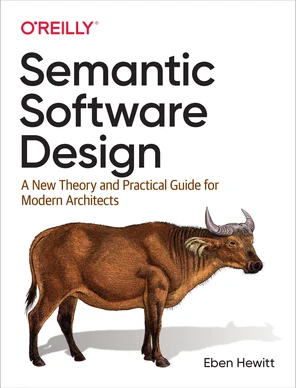
Book overview
A look at the structure and key facts of the book

Publication date
October 2, 2019

Edition
1 edition

Total chapters
12 chapters

Total pages
331 pages

Level
Intermediate to advanced

With this practical book, architects, CTOs, and CIOs will learn a set of patterns for the practice of architecture, including analysis, documentation, and communication. Author Eben Hewitt shows you how to create holistic and thoughtful technology plans, communicate them clearly, lead people toward the vision, and become a great architect or Chief Architect.
This book covers each key aspect of architecture comprehensively, including how to incorporate business architecture, information architecture, data architecture, application (software) architecture together to have the best chance for the system’s success.
- Get a practical set of proven architecture practices focused on shipping great products using architecture
- Learn how architecture works effectively with development teams, management, and product management teams through the value chain
- Find updated special coverage on machine learning architecture
- Get usable templates to start incorporating into your teams immediately
- Incorporate business architecture, information architecture, data architecture, and application (software) architecture together
Browse this section to get a quick overall picture of the book's content.
The Philosophy and Practice of Semantic Design
This book delves into the foundational philosophy behind software design, challenging conventional views and introducing the concept of semantic design. It explores how to produce meaningful concepts and apply deconstruction principles to create effective software. Readers will understand the theoretical underpinnings that shape modern software architecture.
This approach helps architects think beyond mere implementation and delve into the semantic depth of their systems. It aims to empower designers to create solutions that are not only functional but also conceptually coherent and sustainable. This section provides the intellectual groundwork necessary for innovation in design.
Holistic Architectural Integration
The book emphasizes a comprehensive approach to architecture by integrating various domains. It covers how to combine business architecture, information architecture, data architecture, and application (software) architecture to ensure system success. This integrated perspective helps architects create well-rounded and resilient technology plans.
By considering all these aspects simultaneously, one can ensure that technical strategies align with business objectives. This approach helps prevent information silos and misalignments, leading to systems that are robust both operationally and strategically. This section provides guidance for creating a unified architectural vision.
Practical Application of Design Principles
This resource provides practical guidance, templates, and proven practices for implementing semantic design in real-world scenarios. It covers methodologies like Design Thinking, outlines essential semantic design practices and artifacts, and offers strategies for managing operations, process, and governance. The aim is to equip architects with actionable tools to deliver great products.
This section helps readers translate theoretical concepts into tangible actions, increasing their impact within the organization. By using these tools, they can optimize design processes and ensure more predictable outcomes. This book serves as a practical guide for continuous improvement in software design.
Specialized Architectural Aspects
The book dedicates specific attention to critical architectural aspects, including application design, data management, and infrastructure considerations. It also features updated coverage on machine learning architecture, providing insights into designing systems that leverage advanced analytical capabilities. This ensures architects are prepared for diverse technical challenges.
This section delves into technical specifics, offering guidance for tackling the complexities of modern systems. From API design to polyglot persistence and DevOps implementation, readers gain practical knowledge for building scalable and resilient systems. This comprehensive approach prepares architects for the evolving demands of the industry.
The authors behind this book are among the most prominent experts and pioneers of their field. Their work is the result of years of hands-on experience, deep research and collaboration with the world's largest technology organizations and companies.Each of these authors, through specialist books and articles, has played an important role in shaping and advancing technical knowledge worldwide.

Comments
Readers' experience with this book - comments from buyers and other users
12 chapters in production
Reading time
09:33
Book type
Subscription
Participants
Be the first
Last updated
Sep 30, 2026