

Book Semantic Software Design
With this practical book, architects, CTOs, and CIOs will learn a set of patterns for the practice of architecture, including analysis, documentation, and communication. Author Eben Hewitt shows you how to create holistic and thoughtful technology plans, communicate them clearly, lead people toward the vision, and become a great architect or Chief Architect. This book covers each key aspect of architecture comprehensively, including how to incorporate business architecture, information architecture, data architecture, application (software) architecture together to have the best chance for the system’s success. * Get a practical set of proven architecture practices focused on shipping great products using architecture * Learn how architecture works effectively with development teams, management, and product management teams through the value chain * Find updated special coverage on machine learning architecture * Get usable templates to start incorporating into your teams immediately * Incorporate business architecture, information architecture, data architecture, and application (software) architecture together
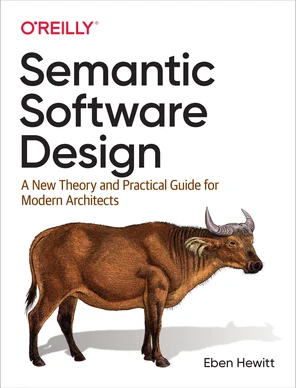
Book preface
Before you start, a short look at what you will learn in this book
In the preface, settle the general questions you have at a glance, so your view widens and your choice is more informed. Questions such as: Why was this book written and what problem does it solve? Who can use the book? A summary of the chapters and the learning goals of each part? The important changes and new improvements added across editions, and so on — we cover all of these for you.
Target audience
Architects seeking to deepen their understanding of design philosophy and practical application will find this book invaluable. It provides patterns for analysis, documentation, and communication, helping them create more robust and integrated technology plans. The book offers a fresh perspective on shaping software concepts.
CTOs and CIOs looking to lead their organizations with a clear technological vision will benefit from the book's emphasis on strategic planning and leadership. It guides them in communicating complex plans effectively and driving teams towards successful product delivery. The content supports the development of holistic technology strategies.
Software development managers and team leads can use this book to improve their collaboration with architecture and product management teams. It outlines how architecture works effectively across the value chain, providing insights into integrating business, information, data, and application architectures. This helps foster a more cohesive and efficient development process.
Professionals interested in machine learning architecture will find updated special coverage on this critical area. The book explores how to incorporate advanced data and application aspects, including feature engineering and data pipelines, into semantic design. This makes it relevant for those building intelligent systems and seeking to understand their architectural implications.
Why the book was written
This book offers a practical guide for architects, CTOs, and CIOs to master a set of proven patterns for architectural practice. It focuses on creating holistic and thoughtful technology plans that drive product success. Readers will learn how to effectively integrate various architectural domains for robust system design.
It addresses the critical need for clear communication and leadership in technology, showing how to articulate a vision and guide teams towards its realization. The book helps professionals become great architects by emphasizing both technical prowess and strategic influence. It provides actionable insights for leading architectural initiatives.
The content challenges conventional software design views, introducing a semantic approach that redefines architecture as the work of creating concepts. It guides readers through the philosophy of design, deconstruction principles, and the practical application of these ideas. This unique perspective helps foster innovative thinking in software development.
The book provides usable templates and practical guides to facilitate immediate implementation of semantic design practices within teams. It covers essential aspects like Design Thinking, semantic design artifacts, and strategies for managing operations and governance. This makes it a hands-on resource for improving organizational design and delivery.
Content overview
This book offers a practical and comprehensive guide for architects and technology leaders, providing a clear framework for creating holistic and thoughtful technology plans. It effectively bridges the gap between theoretical design principles and their real-world application. The resource is highly valuable for those aiming to improve their architectural practice.
It stands out by emphasizing the importance of communication and leadership in architectural roles, guiding readers on how to articulate vision and lead teams. The book's focus on integrating various architectural domains—business, information, data, and application—ensures a well-rounded approach to system success. It equips professionals to drive strategic technological initiatives.
The book introduces a semantic approach to software design, challenging traditional views and encouraging a deeper understanding of concept production and deconstruction. It provides actionable insights through usable templates and practical guides, making it an excellent resource for immediate implementation within development teams. This fosters innovative and effective design practices.
With its updated coverage on machine learning architecture and detailed exploration of application, data, and infrastructure aspects, the book remains highly relevant for modern technology challenges. It helps readers design resilient and performant systems by considering various technical and operational factors. The content is essential for professionals navigating complex architectural landscapes.
12 chapters in production
Reading time
09:33
Book type
Subscription
Participants
Be the first
Last updated
Sep 30, 2026